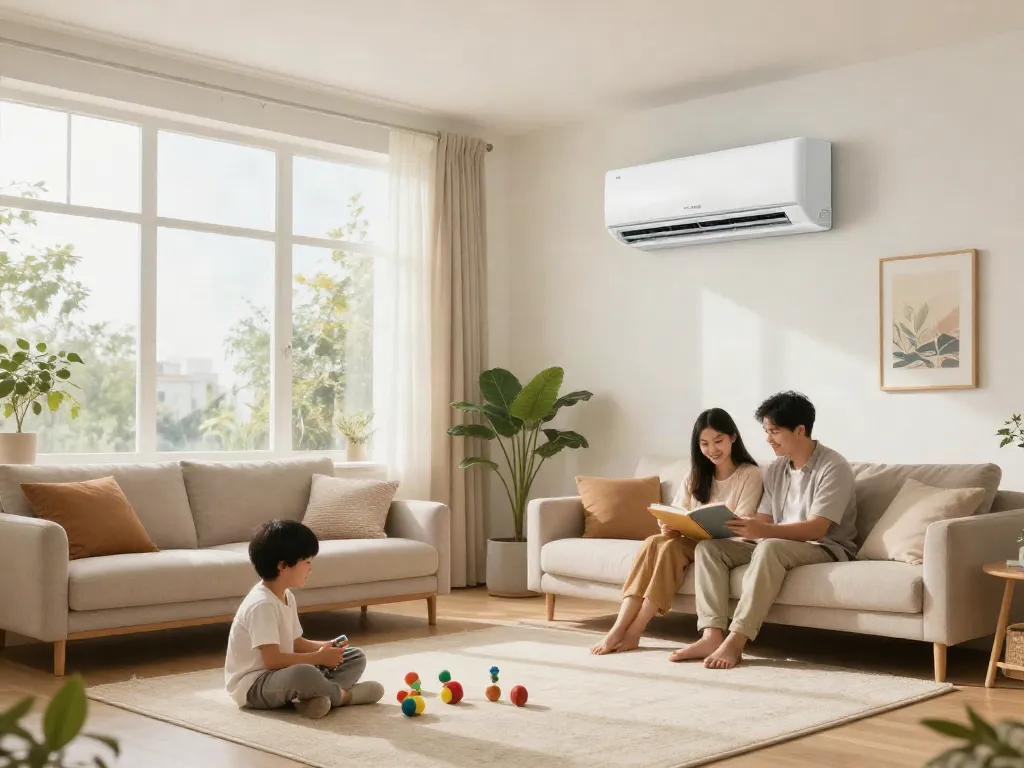
Understanding the 18000 BTU Mini Split Systems
When it comes to heating and cooling solutions for medium to large spaces, the 18000 btu mini split stands as a prominent choice among homeowners. Mini split systems offer flexibility, efficiency, and comfort, making them increasingly popular in today’s HVAC landscape. This comprehensive guide will navigate through the essentials of mini split systems, their benefits, key features, and how they stack up against traditional HVAC systems.
What is a Mini Split System?
A mini split system is a type of air conditioning and heating system that provides both cooling and heating without the need for ductwork. It consists of two main components: an outdoor compressor unit and one or more indoor air handling units. These systems are ideal for various applications, ranging from single rooms to multi-zone climates, making them a versatile solution for any home.
Benefits of 18000 BTU Capacity
The 18000 BTU capacity is particularly suited for spaces ranging from approximately 700 to 1250 square feet, depending on factors such as insulation and ceiling height. Some benefits include:
- Efficient Climate Control: An 18000 BTU mini split can effectively cool or heat larger rooms, allowing for precise temperature control.
- Energy Savings: Mini splits generally have higher energy efficiency ratings than traditional HVAC systems, which can lead to lower utility bills.
- Flexible Installation: The absence of ductwork allows for easier installation in homes without existing ducts.
Comparative Analysis of Ductless vs Ducted Systems
Ductless mini splits offer distinct advantages over traditional ducted systems. Here are some key differences:
- Energy Efficiency: Mini splits typically have higher SEER (Seasonal Energy Efficiency Ratio) ratings than their ducted counterparts, translating to less energy consumption.
- Installation Cost: While initial costs for mini splits can be higher, the elimination of ductwork can reduce overall installation expenses.
- Space Utilization: Mini splits take up less space and provide more design flexibility within a room compared to bulky ductwork.
Key Features of Costway's 18000 BTU Mini Split
Design and Aesthetic Appeal
Costway's 18000 BTU mini split system combines functionality with modern design. The indoor units are sleek and compact, making them suitable for various interior aesthetics. Whether installed in a living room or a home office, these units blend effortlessly with any decor.
Energy Efficiency Ratings and Performance
Costway models generally boast impressive energy efficiency ratings, often exceeding 16 SEER. This high efficiency not only decreases energy consumption but also results in a reduced carbon footprint, benefiting both the environment and homeowners' wallets.
Installation and Maintenance Considerations
Installing a mini split system often requires the expertise of a professional for optimal performance. Regular maintenance is also crucial, including:
- Cleaning or replacing filters monthly.
- Checking the outdoor unit for debris and ensuring it's free from obstructions.
- Scheduling annual professional maintenance checks.
Top Competitors in the 18000 BTU Mini Split Market
Comparing Senville and Della Systems
Senville and Della are notable competitors to Costway in the 18000 BTU category. Both brands offer a wide range of mini split systems that emphasize efficiency and performance. However, Senville often features higher SEER ratings, making it a suitable option for eco-conscious consumers, while Della focuses on affordability without compromising quality.
Insights from MiniSplitsforLess Offerings
MiniSplitsforLess provides a variety of 18000 BTU systems from different manufacturers, catering to various consumer needs. Their offerings include both high-end and budget-friendly options, making it easier for buyers to find a model that fits their budget and requirements.
Real User Experiences and Reviews
Real-world user experiences can greatly inform potential buyers about the reliability and performance of mini split systems. Reviews often highlight aspects such as:
- Easy installation processes for DIY enthusiasts.
- Effective temperature regulation across large spaces.
- Low noise levels compared to traditional HVAC systems.
Choosing the Right 18000 BTU Mini Split for Your Home
Assessing Room Size and Insulation Needs
Before choosing an 18000 BTU mini split, assess the square footage of the space you intend to cool or heat. Proper insulation plays a crucial role in determining the system's efficiency and performance.
Climate Considerations for Optimal Performance
Different climates can influence the performance of mini split systems. In colder regions, ensure the selected unit can handle low-temperature scenarios efficiently. Units with a heat pump functionality are ideal for year-round use.
Budgeting for Purchase and Installation
Budget considerations should encompass not only the initial purchase price but also installation costs and potential long-term savings on energy bills. Researching various models and obtaining multiple quotes can aid in making a financially sound decision.
Trends and Innovations in Mini Split Systems for 2026
Emerging Technologies in HVAC
The HVAC industry is witnessing continual innovation, with mini split systems embracing smart technologies. Many new models integrate smart home capabilities, allowing users to control temperature settings remotely via smartphone apps.
Potential Environmental Impacts and Solutions
As climate awareness grows, manufacturers are increasingly focusing on producing environmentally friendly systems. Innovations such as low-GWP (Global Warming Potential) refrigerants help mitigate harmful environmental impacts.
Future-Proofing Your Home with Smart AC Features
As technology progresses, consumers can look forward to more intuitive features in mini splits, such as AI-driven temperature regulation and zone control systems that adapt to household patterns, thus enhancing comfort and efficiency.
What is the ideal room size for an 18000 BTU mini split?
The ideal room size for an 18000 BTU mini split system generally ranges from 700 to 1250 square feet, depending on insulation and ceiling height.
How does the efficiency of 18000 BTU mini splits compare to conventional HVAC?
Compared to conventional HVAC systems, 18000 BTU mini splits often exhibit higher energy efficiency ratings, leading to lower energy bills and a reduced carbon footprint.
What installation services are available for mini split systems?
Most HVAC companies provide professional installation services for mini splits, ensuring that the system is correctly set up for optimal efficiency.
Are 18000 BTU mini splits suitable for colder climates?
Yes, many modern 18000 BTU mini splits are equipped with heat pump functionality, making them suitable for colder climates when appropriately rated.
What maintenance practices should be followed for mini splits?
Regular maintenance for mini splits includes cleaning or replacing filters, checking the outdoor unit for debris, and scheduling annual maintenance checks by professionals.