Understanding Sew In Hair Extensions
Sew in hair extensions have become a popular choice for those looking to add length, volume, or to experiment with new styles without commitment. This method not only provides versatility but also integrates seamlessly with your natural hair. The right sew in extensions can enhance your overall look while allowing for a variety of styling options. When exploring options, sew in hair extensions provide comprehensive insights into customization, quality, and maintenance, making them an excellent choice for anyone interested in hair transformation.
What are Sew In Hair Extensions?
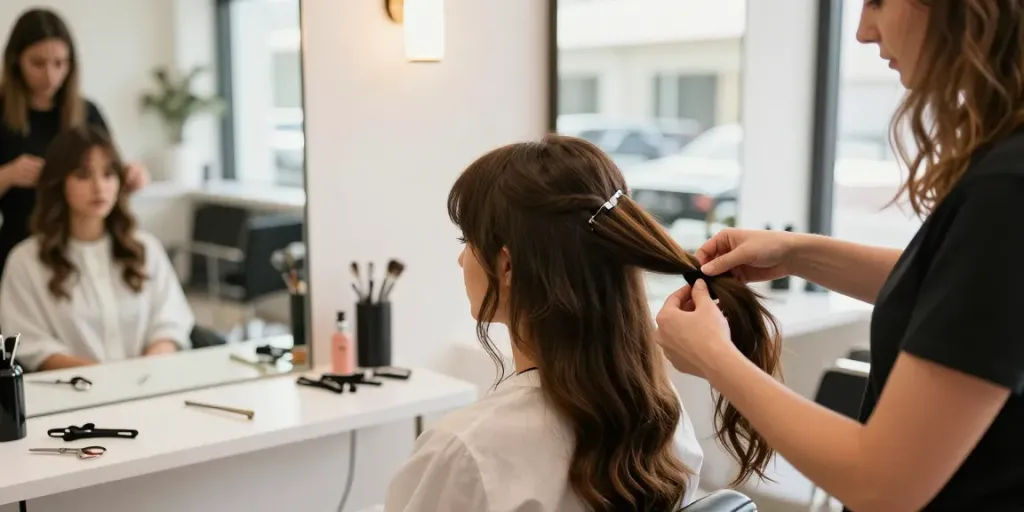
Sew in hair extensions are strands of human or synthetic hair that are sewn into your natural hair using a needle and thread. This method is popular because it allows for a secure and long-lasting installation. The extensions can come in various forms, including wefts, which are strips of hair that are sewn into braided sections of the natural hair. Sew in extensions are particularly favored for their durability and for the seamless way they blend with the natural hair.
Benefits of Using Sew In Hair Extensions
- Long-lasting Style: When properly cared for, sew in extensions can last anywhere from 6 to 12 weeks, making them a long-term solution compared to temporary methods.
- Versatility: Sew ins allow for various styling options, including straightening, curling, and updos, giving you the freedom to switch your look effortlessly.
- Volume and Length: They can dramatically increase the volume and length of your hair, allowing for fuller hairstyles without using chemical treatments.
- Protective Style: Sew in extensions can protect your natural hair from damage caused by heat styling and environmental factors.
Common Misconceptions about Sew In Hair Extensions
Despite their popularity, there are several misconceptions surrounding sew in hair extensions. Many believe that they cause significant damage to the natural hair; however, when installed and maintained correctly, they can actually protect hair by providing a barrier against everyday styling tools. Another common myth is that sew in extensions are only suitable for thick hair. In reality, they can be customized to fit all hair types with the right technique and products.
Choosing the Right Sew In Hair Extensions
Types of Hair Used in Sew In Extensions
The type of hair used in sew in extensions plays a crucial role in determining the quality and final look of your hairstyle. There are two main types of hair used: synthetic and human hair. Synthetic hair is less expensive but may not blend as seamlessly or withstand heat styling. In contrast, human hair extensions, particularly those made from Remy hair, offer a more natural appearance and longevity, making them a preferable choice for many. Additionally, they can be treated just like natural hair, allowing for coloring and heat styling.
How to Select the Best Color and Length
Selecting the right color and length is essential for achieving a natural look. It’s advisable to choose a shade that closely matches your natural hair color, or consider going a shade lighter for highlights. Length selection depends on your personal style, but typically, lengths between 14 to 24 inches are common. Always consider your lifestyle and maintenance commitment when choosing extensions; longer lengths may require more time and effort for upkeep.
Comparing Sew In Extensions to Other Methods
When it comes to hair extensions, there are various methods to choose from, including clip-ins, tape-ins, and micro-link extensions. Sew in extensions stand out due to their durability and security. Unlike clip-ins, which can be removed daily, sew ins are more suited for those looking for a semi-permanent solution. Tape-ins are also popular for their quick application, but may not provide the same level of security as sew ins, particularly for active lifestyles. It’s important to weigh the pros and cons of each method based on your hair type, desired look, and maintenance routine.
The Installation Process Explained
Preparing Your Hair for Sew In Extensions
Preparation is key when installing sew in extensions. Start with clean, dry hair, and ensure it is free from product buildup. It’s advisable to perform a deep conditioning treatment a few days beforehand to provide moisture and protect the natural hair. You should also create braids or cornrows that will serve as the base for your extensions. The tighter the braid, the more secure the sew in will be, but it’s important not to make them too tight to avoid tension on the scalp.
Step-by-Step Guide to Installing Sew In Extensions
- Create a Foundation: Braid your natural hair into flat braids close to the scalp. The pattern can vary based on the desired style.
- Secure the Wefts: Thread a needle with a strong thread and begin sewing the weft onto the braids, starting at the nape of your neck and working your way up.
- Layering: Continue to sew additional wefts, ensuring they overlap slightly for a fuller look, making sure to secure them tightly but without pulling.
- Finishing Touches: Once all extensions are sewn in, trim if necessary and style as desired. A good flat iron or curling iron can help blend your natural hair with the extensions.
Aftercare Tips for Long-lasting Sew In Extensions
To ensure your sew in extensions last as long as possible, proper aftercare is essential. This includes maintaining a regular washing schedule, using sulfate-free products to minimize damage, and moisturizing your scalp. It’s also important to avoid heavy oils or creams on the roots to prevent buildup. Additionally, regular visits to a stylist for maintenance checks can help keep your sew ins looking fresh and beautiful.
Potential Challenges and Solutions
What to Do If Your Sew In Extensions Feel Loose?
If your sew in extensions start to feel loose, it could be a sign that they need to be tightened or that the braids underneath have loosened. Schedule an appointment with your stylist who can either re-sew the wefts or adjust the braids. Avoid trying to fix this issue on your own, as improper handling can lead to further damage.
Managing Damage from Sew In Hair Extensions
While sew in extensions can protect your natural hair, improper installation or maintenance can lead to damage. If you notice breakage or thinning, consult a hair care professional who can assess the situation. Keeping your natural hair healthy through regular trims and conditioning treatments will mitigate damage and promote growth.
Best Practices to Maintain Healthy Hair
Maintaining healthy hair while using sew in extensions requires adherence to a few best practices:
- Hydration: Keep both your natural hair and extensions moisturized to prevent dryness.
- Gentle Handling: Be mindful when brushing or styling to minimize breakage.
- Regular Maintenance: Schedule periodic appointments with your stylist to ensure your extensions remain secure and to keep your hair healthy.
The Future of Hair Extensions: Trends for 2026
Innovations in Hair Extension Technology
As we approach 2026, advancements in hair extension technology are set to revolutionize the industry. Innovations such as hypoallergenic materials, advanced bonding techniques, and even AI-driven customization will likely enhance the user experience. These developments will allow consumers to select extensions that perfectly match their natural hair characteristics, ensuring a flawless blend.
Predicted Trends in Hair Fashion
Fashion trends continually evolve, and in 2026, we can expect an increase in demand for sustainable and ethically sourced hair extensions. Additionally, vibrant colors and unique textures may dominate as people look for ways to express their individuality through hair. Clip-in extensions and temporary options may also see a rise in popularity due to their versatility and the growing trend towards non-permanent changes.
How to Stay Informed About Hair Extension Developments
To stay updated on the latest innovations and trends in hair extensions, consider following industry leaders on social media, subscribing to beauty blogs, and attending hair trade shows. Engaging with online communities can also provide valuable insights and tips from fellow enthusiasts.
How Long Do Sew In Extensions Usually Last?
Sew in hair extensions typically last between six to twelve weeks, depending on factors such as hair care routine, texture, and how tightly they were installed. Regular maintenance and proper aftercare are crucial for extending their lifespan.
What Are the Downsides of Sew In Hair Extensions?
While sew in extensions have many benefits, there are downsides to consider, such as the potential for scalp irritation if installed too tightly and the risk of damage to your natural hair if not properly maintained. It’s essential to consult with a qualified stylist to mitigate these risks.
How Much Do Sew In Hair Extensions Cost?
The cost of sew in extensions can vary significantly based on factors such as the type of hair used, the length, and the complexity of the installation. On average, you can expect to pay anywhere from $200 to $600, which should also include the price of the installation. Investing in high-quality extensions will pay off in the long run, ensuring durability and a natural look.