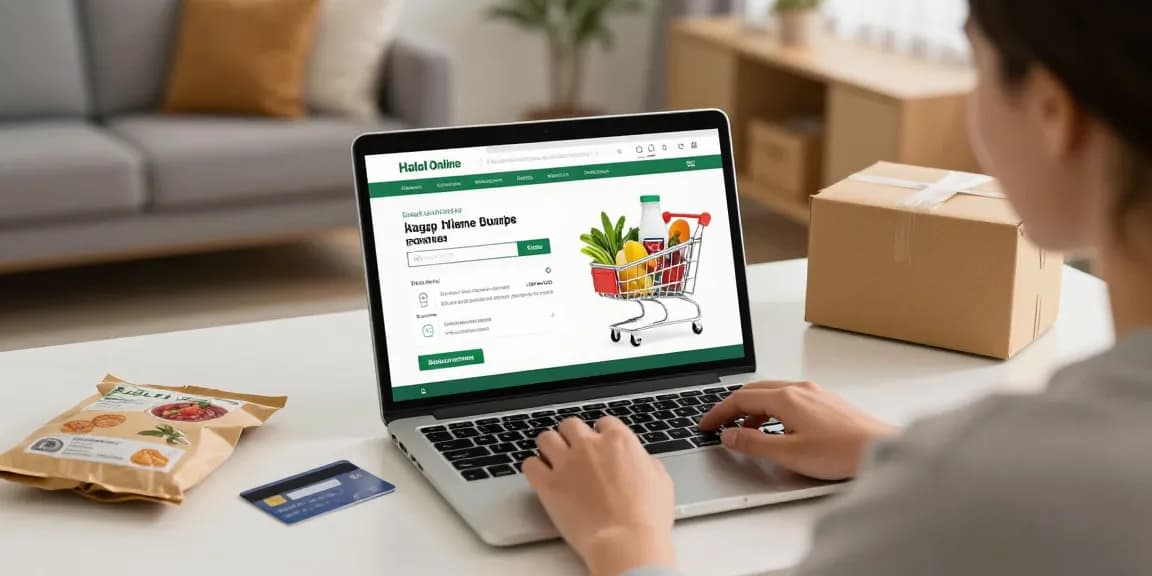
Understanding the Halal Online Supermarket Landscape
The rise of e-commerce has transformed how consumers shop for food, especially in specific dietary segments like Halal products. As shoppers become more health-conscious and culturally aware, the demand for Halal Online supermarket options has surged. This evolution is not just about providing food that meets religious standards; it's about creating a seamless shopping experience that combines convenience, quality, and trust. In this article, we will explore the dynamics of the Halal online supermarket landscape, identify key trends shaping the market, and offer actionable insights for both consumers and vendors looking to navigate this evolving marketplace.
What Defines a Halal Online Supermarket?
A Halal online supermarket is an e-commerce platform that offers products that comply with Islamic dietary laws. This means that not only must the products meet Halal certification standards, but they also need to be stored, processed, and marketed in ways that align with these principles. These supermarkets typically feature a diverse range of products including meats, dairy, snacks, beverages, spices, and more, all sourced from trusted suppliers who can guarantee Halal compliance.
Key Trends in E-commerce for 2026
As we approach 2026, the e-commerce landscape will continue to evolve. Here are some of the key trends to watch:
- Personalization: With AI and machine learning, e-commerce platforms are leveraging data to offer personalized shopping experiences, recommending products based on previous purchases and search history.
- Omnichannel Shopping: Consumers are seeking integrated shopping experiences that combine online and offline options, such as in-store pickups and returns for online orders.
- Sustainability: There's a growing demand for eco-friendly packaging and sustainable sourcing among consumers, influencing purchasing decisions at all levels.
- Mobile Commerce: With the increasing prevalence of smartphones, mobile commerce is expected to grow significantly, allowing consumers to shop anywhere and at any time.
Market Segmentation and Targeting Strategies
Understanding market segmentation is crucial for success in the Halal online supermarket space. Consumers come from diverse backgrounds, and their purchasing decisions may be influenced by factors such as cultural identity, health considerations, and religious practices. Effective targeting strategies will allow vendors to focus on specific demographics and engage them through tailored marketing messages, ensuring that product offerings resonate with their unique needs and values.
Top-Rated Products in the Halal Online Supermarket
Comparing Popular Categories: Coffee, Snacks, and Beverages
Product selection plays a vital role in attracting customers to Halal online supermarkets. Here’s a comparative look at popular categories:
CategoryTop ProductsPrice RangeCustomer RatingsCoffeeHealthy & Pure Coffee Blend$5.99 - $12.99★★★★☆ (4.5/5)SnacksFresh Dates, Candy, and Pudding$3.00 - $8.00★★★★★ (4.9/5)BeveragesHalal Herbal Tea$4.00 - $11.00★★★★☆ (4.7/5)
Customer Reviews: What Shoppers are Saying
Customer feedback is invaluable in the online shopping experience. It provides social proof and influences potential buyers. Shoppers often praise the quality and taste of Halal products, noting that many are sourced from reputable suppliers. With a high emphasis on freshness and compliance with Halal standards, products from online supermarkets generally receive positive ratings. Leveraging user-generated content through reviews and testimonials can further enhance trust and encourage new customers to make a purchase.
Must-Have Items for Every Household
When it comes to creating a well-rounded grocery list, some products stand out as essentials. These include:
- Halal Meat: A variety of meat options that are both delicious and compliant with Halal standards.
- Spices and Herbs: A range of spices that are necessary for authentic meals.
- Beverages: Refreshing drinks that are free from additives not compliant with Halal requirements.
- Snacks: Healthy yet tasty snacks that align with dietary needs.
Effective Buying Guides for Shoppers
How to Choose Quality Halal Products
Shoppers should look for Halal certification on packaging, reputable brands, and transparent labeling regarding ingredients. Reading reviews can offer insight into the quality and authenticity of products. Additionally, checking brand reputation via reviews and product histories can boost confidence in purchasing choices.
Price Comparison: Finding Value in the Marketplace
Price comparison plays a crucial role during the shopping process. Consumers should take the time to compare prices among various online products to ensure they are getting the best value for their money. This can involve checking competitors’ prices or opting for bundles or subscription services that provide additional savings on frequently purchased items.
Seasonal Sales and Promotions: Timing Your Purchases
Shopping during seasonal sales or promotional events can lead to significant savings. Consumers should stay updated on awareness days such as Ramadan sales or Black Friday promotions which often feature massive discounts on Halal products. Signing up for newsletters from Halal online supermarkets can provide alerts for upcoming sales and exclusive offers.
Shipping and Delivery Options in E-commerce
Understanding Shipping Costs and Timelines
When shopping online, understanding shipping costs is crucial. Many Halal online supermarkets offer various delivery options ranging from standard shipping to expedited delivery. Shipping costs can vary based on location, weight of the order, and selected speed. Consumers should review shipping policies carefully to evaluate total costs before finalizing their purchases.
Return Policies: What to Know Before You Buy
Return policies can differ widely between vendors. Consumers should ensure they are aware of the return process, the time frame for making returns, and any associated costs. A good return policy can enhance buyer confidence and lead to higher conversion rates.
Using Free Pickup and Delivery Services Effectively
Many Halal online supermarkets now offer local pickup options, providing convenience for customers who prefer to shop online but pick up their items in person. This can be an efficient way to save on shipping costs and receive orders quicker. Understanding how to utilize these services effectively can lead to a better shopping experience and increased satisfaction.
Enhancing Customer Experience in Your Online Store
Building Trust with Payment Security and Fraud Prevention
Ensuring secure payment processing is vital for customer trust. Implementing advanced security measures such as encryption and offering multiple secure payment options can significantly enhance shopper confidence. Retailers should also communicate these security measures clearly on their websites.
Creating Loyalty Programs for Repeat Customers
Loyalty programs can be an excellent way to encourage repeat business. By offering points, discounts, or exclusive offers to returning customers, Halal online supermarkets can increase customer retention and lifetime value.
Engaging Customers through Effective Communication Strategies
Effective communication plays a vital role in customer engagement. This can come in many forms including email campaigns, social media interaction, and personalized marketing messages that resonate with the target audience. Building a community around a Halal lifestyle can further engage customers and enhance loyalty.
What are the benefits of shopping at a Halal online supermarket?How can I identify certified Halal products?What are the delivery options for Halal products?How often do sales or promotions occur in Halal online supermarkets?What should I know about product returns in e-commerce?