
Understanding Deruta Pottery
Deruta pottery is an exquisite form of ceramic art that has its roots in the picturesque town of Deruta, located in the region of Umbria, Italy. Renowned for its vibrant colors, intricate designs, and rich cultural significance, Deruta pottery represents a blend of tradition and artisanal craftsmanship that has been passed down through generations. As interest in authentic Italian products continues to grow, understanding the nuances of Deruta pottery becomes essential for both collectors and casual buyers alike. When exploring options, Deruta pottery offers a glimpse into the historical and cultural narratives of Italy’s ceramic heritage.
What is Deruta Pottery?
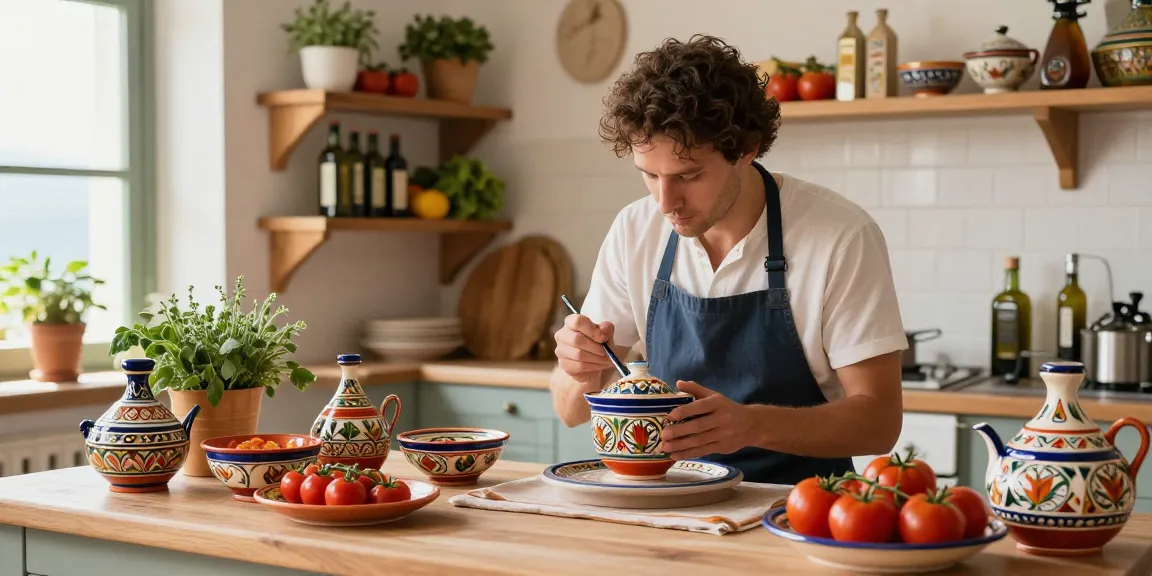
Deruta pottery, or “Deruta maiolica,” is characterized by its tin-glazed earthenware, which allows for a vibrant spectrum of colors and elaborate designs. Each piece is typically hand-painted and highlights the craftsmanship of skilled artisans. The designs often include motifs inspired by Italian culture, such as floral patterns, geometric shapes, and scenes from everyday life, reflecting the historical and cultural richness of Italy.
The Historical Significance of Deruta Pottery
Dating back to the Renaissance, Deruta has been a pivotal center for ceramic production. Its pottery gained popularity across Europe during this period, largely due to its unique glazing techniques and artistry. The town itself has a long-standing reputation, having been documented in various historical texts as a prominent site for ceramic art. Understanding this historical context enhances the appreciation of Deruta pottery as a representation of Italian culture and artistry.
Characteristics of Authentic Deruta Pottery
- Colorful Glaze: Authentic Deruta pottery features a glossy, vibrant glaze that enhances the colors of the hand-painted designs.
- Unique Designs: Each piece often carries a signature style, with no two items being exactly alike due to the handmade nature of production.
- Quality Materials: Made from high-quality clay, the pottery is both durable and beautiful, suitable for functional and decorative purposes.
- Artisan Touch: The presence of the artisan’s hand in each piece adds a personal touch that machine-made items simply cannot replicate.
The Crafting Process of Deruta Pottery
Materials Used in Deruta Pottery
The creation of Deruta pottery begins with high-quality clay, which is essential for forming the base of the ceramics. The clay is typically sourced locally, which contributes to the authenticity and uniqueness of each piece. Once sourced, the clay is shaped into various forms, including plates, bowls, and decorative items. After shaping, the pieces are allowed to dry before being fired in a kiln, a process crucial for ensuring durability.
Step-by-Step Crafting Techniques
- Shaping: Artisans shape the clay using traditional techniques, with each piece having its unique design.
- Drying: The formed clay is left to dry until it reaches a leather-hard stage.
- First Firing: The clay undergoes an initial firing in a kiln, solidifying its form.
- Glazing and Painting: After the first firing, artisans apply a white glaze, followed by hand-painted designs using colored glazes.
- Second Firing: The pottery is fired again to set the glaze and enhance the colors, resulting in the final product.
Innovations in Traditional Methods
While the traditional methods of crafting Deruta pottery remain largely unchanged, modern artisans have begun to incorporate new techniques and materials to enhance their work. Innovations such as eco-friendly glazes and contemporary design elements are becoming more common, allowing for a blending of timeless heritage with modern aesthetics. This evolution not only keeps the craft relevant but also appeals to a wider audience.
Choosing Authentic Deruta Pottery
How to Identify Genuine Pieces
When purchasing Deruta pottery, it is crucial to ensure that you are acquiring authentic pieces. Look for the following indicators:
- Signature: Many authentic pieces will bear the signature of the artisan or the workshop, which can often be found on the base.
- Quality of Craftsmanship: Examine the details; authentic pieces will have meticulous designs without any flaws or unevenness in the glaze.
- Documentation: Reputable sellers will often provide certificates of authenticity, verifying the piece’s origin.
Common Misconceptions about Deruta Pottery
Despite its popularity, several misconceptions surround Deruta pottery. One common belief is that all colorful ceramics labeled as “Deruta” are genuine. In reality, many imitations exist that do not adhere to traditional crafting methods and materials. Understanding these misconceptions is essential for making informed purchasing decisions.
Price Ranges and Quality Indicators
The price of Deruta pottery can vary significantly based on factors such as size, complexity of design, and the artisan’s reputation. Typically, authentic pieces range from affordable decorative items to high-end, artisanal works that can command thousands of dollars. When assessing value, consider the craftsmanship, uniqueness, and historical significance of the piece.
Customer Experiences with Deruta Pottery
Customer Testimonials and Stories
Customers often share their experiences with Deruta pottery, highlighting the beauty and charm that these pieces bring to their homes. Testimonials frequently emphasize the artistry, durability, and the unique connection they feel with Italian culture through these items. For instance, one customer noted, “Having Deruta pottery in my home not only enhances my dining experience but also serves as a daily reminder of Italy’s rich artistic heritage.”
How to Care for Your Deruta Pottery
Caring for Deruta pottery is essential to preserve its beauty and longevity. Here are some tips for maintenance:
- Avoid Abrasives: Use soft cloths for cleaning to prevent scratching the surface.
- Hand Wash: It is recommended to hand wash items rather than using a dishwasher, which can cause damage over time.
- Avoid Extreme Temperatures: Sudden temperature changes can cause cracks; allow items to cool before washing.
Using Deruta Pottery in Everyday Life
Deruta pottery can be used in various ways, from everyday dining to special occasions. Incorporating these pieces into your home not only adds aesthetic value but also brings a sense of Italian culture into daily life. Whether it’s serving pasta on a beautifully painted plate or using a decorative bowl as a centerpiece, these items are designed to be both functional and artistic.
Future Trends in Deruta Pottery
Emerging Styles and Designs for 2026
As we look towards 2026, the evolution of Deruta pottery continues with emerging trends focusing on sustainable materials, innovative designs, and a blend of traditional and contemporary styles. Artisans are exploring new motifs that resonate with younger audiences while staying true to the essence of Deruta’s heritage.
The Global Market for Deruta Pottery
The market for Deruta pottery has expanded globally, with increasing demand from collectors and enthusiasts outside Italy. This growth presents both opportunities and challenges for artisans as they navigate the balance between maintaining traditional practices and meeting the needs of a diverse audience.
Environmental Impact and Sustainable Practices
As the world becomes more environmentally conscious, many artisans in Deruta are adopting sustainable practices. This includes sourcing local materials, minimizing waste, and using eco-friendly glazes. Such practices not only appeal to modern consumers but also ensure the longevity of this traditional craft.
What Makes Deruta Pottery Special?
In conclusion, Deruta pottery stands out as a unique blend of artistry, history, and cultural significance. Its intricate designs and vibrant colors not only enhance the visual appeal of any space but also carry stories of generations past. As this craft evolves, it remains a testament to the enduring legacy of Italian craftsmanship, ensuring that the beauty of Deruta continues to be appreciated by future generations.