
- Understanding Shingle Roof Installation Basics
- Common Challenges in Shingle Roofing
- Best Practices for Shingle Roof Installation
- Emergency Roof Repair Solutions
- Future Trends in Roofing for 2026 and Beyond
- Signs of a Worn-out Roof
- How to Choose a Reputable Roofing Contractor?
- What Financing Options are Available for Roof Replacement?
Understanding Shingle Roof Installation Basics
Shingle roof installation is a critical undertaking, especially for homeowners in regions like Tampa, known for its intense summer storms and humidity. When deciding to install a shingle roof, it’s essential to understand the process, the materials involved, and the specific requirements for Florida’s climate. For those considering their options, https://avatarroofing.com/residential-roofing-tampa/new-roof-installation-tampa/shingle-roof-installation-tampa/ provides comprehensive insights into shingle roofing in the Tampa area.
What to Expect from Shingle Roof Installations?
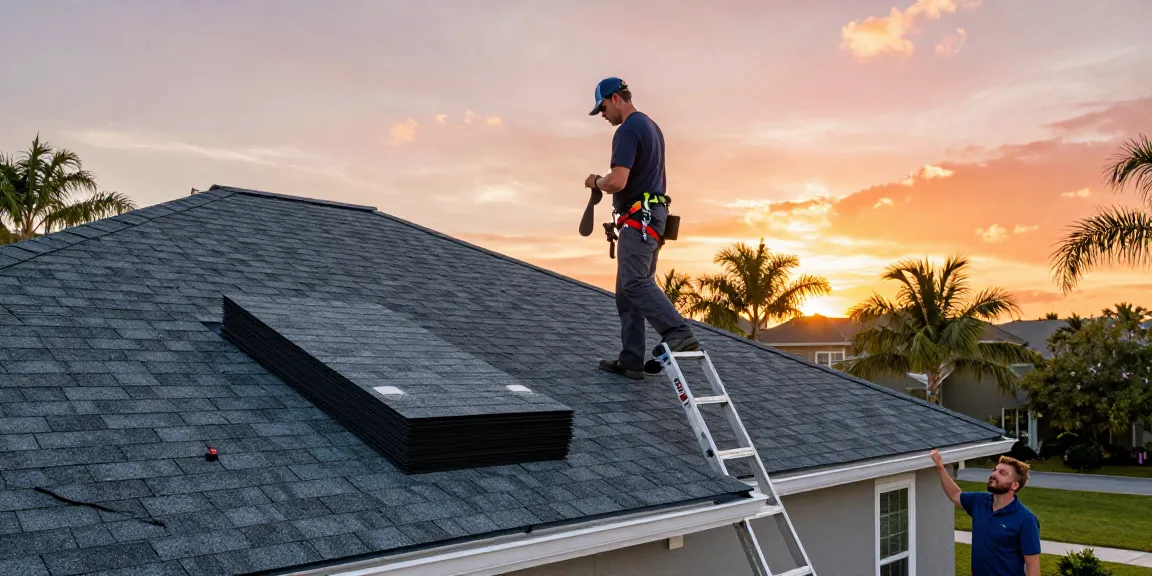
When embarking on the journey of shingle roof installation, homeowners should expect a thorough process that includes various phases, from initial consultation to the final inspection. A reputable contractor will begin with a comprehensive assessment of your existing roof, identifying any underlying issues that could impact the new installation.
- Assessment and Estimates: The installation process typically starts with an assessment of your current roofing situation. Detailed estimates should cover not only the cost of materials but also labor, permits, and any additional services like ventilation improvements.
- Material Selection: Choosing the right shingles is crucial. Homeowners can select from various asphalt shingles, which are popular due to their affordability and ease of installation. However, it’s essential to pick shingles that meet Florida’s stringent building codes for wind resistance.
- Timeline: Most shingle roof installations in Tampa can be completed within a day for standard houses. More complex structures may take longer, but clear communication from your contractor will ensure you know what to expect.
Choosing the Right Shingle Type for Florida’s Climate
Florida’s climate poses unique challenges for roofing materials, primarily due to high humidity and severe storms. Asphalt shingles are the most common choice, but not all shingles are created equal when it comes to weather resistance. Homeowners should opt for shingles rated for high winds and heavy rains. Additionally, reflectivity can be crucial in minimizing heat absorption, which can prolong the life of your roof.
Initial Inspection and Preparation Steps
Before installation begins, a comprehensive inspection ensures that the roofing deck is sound. This phase includes:
- Tear-off: Removing old shingles to expose the decking. This step allows contractors to check for soft spots or rot that need addressing before the new shingles can be safely installed.
- Decking Repair: If the decking is compromised, repairs must be made to provide a solid base for the new roof.
- Underlayment Installation: Installing a proper underlayment tailored for Florida’s climate helps protect against moisture intrusion and provides an additional layer of insulation.
Common Challenges in Shingle Roofing
Despite the best planning and materials, challenges can arise during the roofing process. Awareness and preparedness are critical for homeowners.
Identifying Signs of Roof Damage and Wear
Being proactive about roof maintenance can mitigate significant issues down the line. Homeowners should regularly inspect their roofs for:
- Curling or missing shingles
- Granule loss in gutters
- Visible wear around chimneys and vents
These signs can indicate the need for repairs or even a complete replacement, depending on the severity.
Dealing with Storm Damage: What Homeowners Should Know?
Tampa’s storm season can be particularly harsh, often leading to significant roof damage. Homeowners should be prepared to act quickly after storms:
- Assess the damage immediately and take detailed photographs for insurance documentation.
- Secure any exposed areas with tarps or temporary fixes to prevent further water damage.
- Consult a professional for a detailed inspection and repair estimate.
Insurance Inspections: Preparing for Your Appraisal
Insurance companies often require inspections before approving claims or renewals. Homeowners should be diligent in preparing for these appraisals by ensuring that all necessary documentation is in order, including:
- A comprehensive inspection report detailing the roof’s condition
- Any previous repair or installation records
Being thorough will help in preventing unexpected delays or costs.
Best Practices for Shingle Roof Installation
To ensure that your shingle roof is installed correctly and lasts for many years, it’s essential to follow best practices throughout the installation process.
Importance of Proper Underlayment and Ventilation
Underlayment acts as a barrier against moisture and is crucial for protecting your home from leaks. Additionally, proper attic ventilation is key to preventing heat build-up that can deteriorate shingles prematurely. A well-ventilated attic will ensure proper air circulation, extending the lifespan of your roof.
Executing a Safe and Efficient Roof Tear-Off
Safety should always be a priority during a roof tear-off. Contractors should wear appropriate safety gear and ensure that the property surrounding the house is secured against falling debris. Efficiency is equally crucial; careful planning and execution can minimize the time your home is exposed to the elements.
Installation Techniques for Long-lasting Performance
The correct installation technique plays a vital role in your roof’s longevity. This includes ensuring:
- Shingles are installed according to the manufacturer’s guidelines, which address factors like overlap and fastening.
- Flashing is appropriately installed to prevent water penetration around vulnerable areas such as chimneys and vents.
Emergency Roof Repair Solutions
Recognizing when to call for emergency repairs is crucial in minimizing damage and protecting your home.
When to Call for Emergency Repairs?
Emergency repairs should be considered if you notice any of the following:
- Active leaks that allow water to enter your home
- Significant sections of shingles missing after a storm
- Visible damage to the roof structure or underlying decking
Temporary Fixes for Severe Weather Damage
In the wake of storms, homeowners may need to implement temporary fixes to safeguard their homes. This may include:
- Applying tarps to cover damaged areas
- Using roofing cement to seal minor leaks until permanent repairs can be made
Documenting Damage for Insurance Claims
Documentation is essential when filing insurance claims. Taking clear photographs before and after any repairs, along with detailed notes on the damage, can facilitate a smooth claims process.
Future Trends in Roofing for 2026 and Beyond
As we look ahead, several trends are shaping the future of roofing, particularly in climates like Florida’s.
Innovative Roofing Materials on the Horizon
New materials that offer better durability and energy efficiency are emerging. Homeowners may soon have access to roofing solutions that use recycled materials or are designed to last significantly longer than traditional options.
Sustainability in Roofing Solutions
With an increasing emphasis on sustainability, environmentally-friendly roofing options are gaining traction. This includes cool roofs that reflect sunlight and innovative materials that reduce energy consumption.
Technology Advancements in Roof Monitoring and Maintenance
Smart roofing technologies are becoming available, allowing homeowners to monitor their roofs for damage or leaks through apps and sensors, making maintenance proactive rather than reactive.
Signs of a Worn-out Roof
Awareness of when a roof is nearing the end of its life is vital for homeowners. Signs to look for include:
- Increasing energy bills, which could indicate insulation issues due to an aging roof
- Water stains on ceilings or walls, suggesting potential leaks
- Missing or cracked shingles
How to Choose a Reputable Roofing Contractor?
Choosing the right contractor is perhaps the most significant decision a homeowner can make regarding their roof. Key factors include:
- Looking for local contractors with a strong reputation and extensive experience in shingle roofing.
- Checking for proper licensing and insurance to safeguard against liability and ensure compliance with local regulations.
- Reading reviews and asking for referrals from friends or neighbors to gauge customer satisfaction.
What Financing Options are Available for Roof Replacement?
Roof replacement can be a significant financial commitment, but several financing options are available:
- Home Equity Loans: These loans allow homeowners to leverage equity built in their homes for financing renovations.
- Financing Plans: Many roofing companies offer financing options that allow homeowners to pay over time, often with low-interest rates.
By considering these options, homeowners can better manage the costs associated with roofing projects.