
The Importance of Stainless Steel Basins in Modern Kitchens
As kitchens continue to evolve into multifunctional spaces that reflect both style and utility, the choice of materials for fixtures becomes increasingly important. Among the various options available, stainless steel basins have risen in popularity, thanks to their unique blend of durability, aesthetic appeal, and practicality. Additionally, when exploring options, stainless steel basin factory offers a wealth of insights into the manufacturing process and product variety, guiding consumers in their purchasing decisions.
Why Stainless Steel is the Material of Choice?
Stainless steel is renowned for its remarkable properties, making it a favored choice in the kitchen. Its resistance to rust and corrosion allows it to maintain its appearance even in high-moisture environments, such as kitchens and bathrooms. Moreover, stainless steel is non-porous, which prevents the absorption of bacteria and odors, ensuring that kitchen hygiene is upheld. This characteristic makes it a practical choice for families and professional chefs alike.
Durability and Longevity Benefits
The longevity of stainless steel basins is another attraction for homeowners. Unlike materials such as ceramic or plastic, stainless steel can withstand significant wear and tear. It resists chipping and cracking, which is crucial in busy kitchen settings where sinks are regularly subjected to heavy use. Furthermore, stainless steel can handle extreme temperatures, making it an ideal choice for both hot and cold applications. This durability not only leads to cost savings over time by reducing the need for replacements but also enhances the overall value of a home.
Stylish Aesthetic and Versatility in Design
In addition to its practical benefits, stainless steel offers a sleek, contemporary look that complements a wide variety of kitchen designs. Whether a homeowner opts for a minimalist modern style or a rustic farmhouse aesthetic, stainless steel basins fit seamlessly into any decor. Additionally, manufacturers offer a range of styles, including undermount, top-mount, and farmhouse designs, allowing homeowners to choose a basin that suits their personal style and the functional needs of their kitchen.
Understanding the Production Process of Stainless Steel Basins
The journey of a stainless steel basin from raw material to finished product is intricate and involves several steps that ensure quality and durability. Understanding this production process can help consumers appreciate the value of their choice in selecting a stainless steel basin.
Step-by-Step Overview of Manufacturing
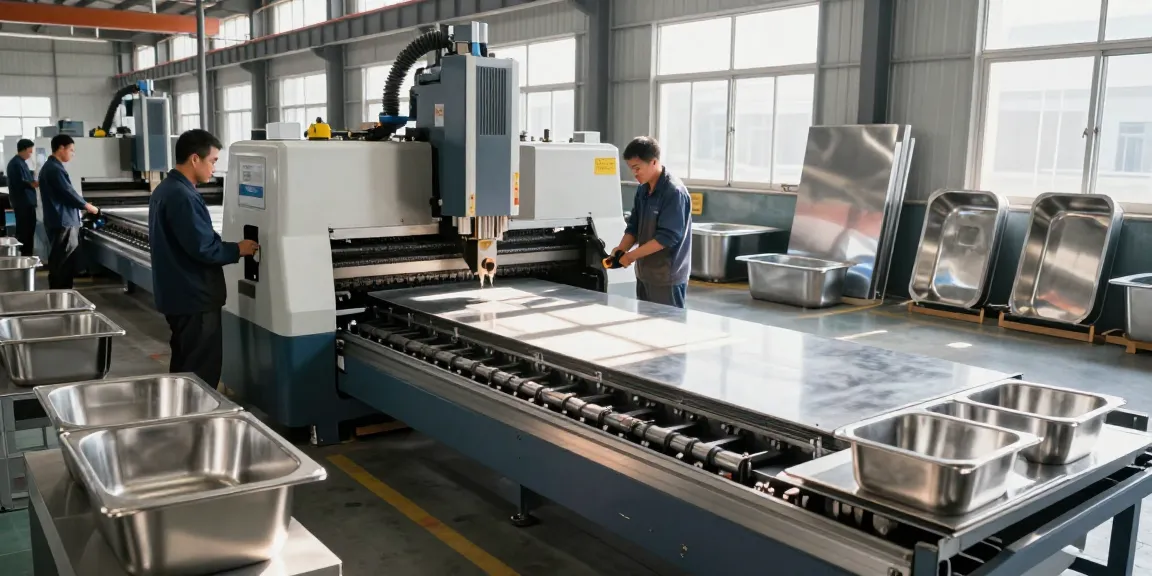
The manufacturing of stainless steel basins typically begins with the selection of high-grade stainless steel sheets. These sheets are cut into specified dimensions using laser or water jet cutting technology. Following this, the cut pieces undergo a forming process, where they are shaped into the desired basin configuration using press brakes and bending machines. After forming, the edges of the basin are welded together, creating a seamless design that enhances both aesthetics and functionality.
Key Technologies Used in Basin Production
Modern stainless steel basin factories employ advanced technologies to streamline production while maintaining high standards. Computer Numerical Control (CNC) machines allow for precision cutting and shaping, while robotic arms assist in welding processes, ensuring consistent quality across batches. Additionally, automated polishing and finishing machines provide a high-gloss appearance that is both attractive and resistant to fingerprints and stains.
Quality Control Measures Taken by Factories
Quality control is paramount in the manufacturing of stainless steel basins, as it directly impacts the product’s longevity and performance. Factories implement rigorous testing procedures, including pressure tests to evaluate the integrity of welds and surface inspections to detect any imperfections. Many leading manufacturers also adhere to international standards and certifications, ensuring that their products meet stringent quality requirements.
Choosing the Right Stainless Steel Basin Factory
Selecting a reliable stainless steel basin factory is crucial for ensuring that the final product meets expectations in terms of quality, design, and functionality. Various factors should be taken into account during this selection process.
Factors to Consider in Selection
- Reputation: Researching the factory’s reputation through online reviews and recommendations can provide insights into the quality of their products and customer service.
- Manufacturing Standards: Ensure the factory follows industry standards for quality control and environmental sustainability.
- Customization Options: A factory that offers customization options can cater to specific design preferences and functional requirements.
Comparing Different Manufacturers
When selecting a stainless steel basin factory, it’s beneficial to compare multiple manufacturers. Look for manufacturers with a portfolio showcasing various designs, finishes, and sizes. Consider requesting samples to evaluate the quality of the materials used and the craftsmanship involved. Additionally, inquire about warranties and post-purchase support to ensure peace of mind in your investment.
Customer Reviews and Testimonials as Decision Tools
Customer reviews can be invaluable when choosing a stainless steel basin factory. They often reveal insights into the experiences of previous buyers regarding product quality, customer service, and overall satisfaction. Take the time to explore both positive and negative reviews to form a comprehensive understanding of what to expect from each manufacturer.
Common Misconceptions About Stainless Steel Basin Quality
Despite the popularity of stainless steel basins, several misconceptions still exist regarding their quality and durability. Addressing these myths can help consumers make informed decisions.
Debunking Myths Surrounding Stainless Steel Materials
One common myth is that all stainless steel is created equal. In reality, there are different grades of stainless steel, each with distinct properties. For instance, 304-grade stainless steel offers excellent corrosion resistance, making it ideal for kitchen environments. Understanding these differences can significantly influence the longevity and performance of the basin purchased.
Understanding Different Grades of Stainless Steel
When shopping for stainless steel basins, it’s beneficial to recognize the differences between grades. The 304 and 316 grades are the most common in kitchen applications. While 304-grade is suited for residential use due to its balance of cost and properties, 316-grade stainless steel is often used in marine environments because of its superior corrosion resistance. Knowing the grade can help consumers choose a basin that suits their specific needs.
Importance of Certifications and Standards in Production
Certifications such as ISO and ANSI indicate that manufacturers adhere to specific quality standards, ensuring product reliability and safety. When selecting a stainless steel basin, look for these certifications to ensure that the basin has undergone rigorous testing and quality control measures.
Future Trends in Stainless Steel Basin Manufacturing
The stainless steel basin industry is poised for significant evolution as new technologies and consumer preferences shape production and design. Staying abreast of these trends can provide insights for potential buyers.
Innovations Expected in 2026 and Beyond
Future innovations are likely to focus on enhancing durability and functionality. For instance, manufacturers are exploring coatings that can further resist scratches and stains, making maintenance easier for consumers. Additionally, smart technology integration in kitchen fixtures is becoming more prevalent, with features like sensors and automatic temperature control being incorporated into basin designs.
Environmental Sustainability Practices in Factories
As sustainability becomes a global priority, many stainless steel basin factories are adopting greener manufacturing practices. This includes using recycled materials in production, minimizing waste during the manufacturing process, and implementing energy-efficient technologies. Consumers are increasingly favoring manufacturers that demonstrate a commitment to environmental responsibility, making it a key trend in the industry.
Emerging Design Trends and Consumer Preferences
Design preferences are shifting as consumers prioritize both functionality and aesthetics. Minimalistic designs with clean lines and integrated accessories are gaining popularity. Furthermore, the trend towards open-concept living spaces has resulted in a demand for larger basins that facilitate multitasking, such as washing dishes and food prep simultaneously.
What are the advantages of stainless steel over other materials?
Stainless steel’s resistance to corrosion, bacteria, and staining gives it a significant edge over other materials like plastic or ceramic. Its durability ensures it will maintain its appearance and functionality longer than many alternatives, making it an economically sound choice for homeowners.
How do I choose the right size basin for my kitchen?
Choosing the right size basin involves considering the kitchen layout, cabinet space, and personal cooking habits. Measure the available space and evaluate how much daily use the basin will receive to find a size that accommodates your needs without overwhelming the kitchen design.
What are the leading stainless steel basin factories in the USA?
In the USA, several esteemed manufacturers, such as Just Manufacturing and Elkay, are recognized for producing high-quality stainless steel basins. Researching their offerings and customer feedback can guide potential buyers to reputable producers.
Can stainless steel basins be repaired if scratched?
Yes, stainless steel basins can often be repaired if scratched. Light scratches can be polished out using specialized stainless steel polish, while deeper scratches may require professional refinishing. Proper care and maintenance can help minimize scratches over time.
What should I consider when installing a stainless steel basin?
Installation considerations include ensuring the basin fits well within the countertop and confirming plumbing connections align. It’s also vital to think about the type of mounting—undermount or drop-in—and to ensure that the basin’s depth works well with kitchen tasks.