
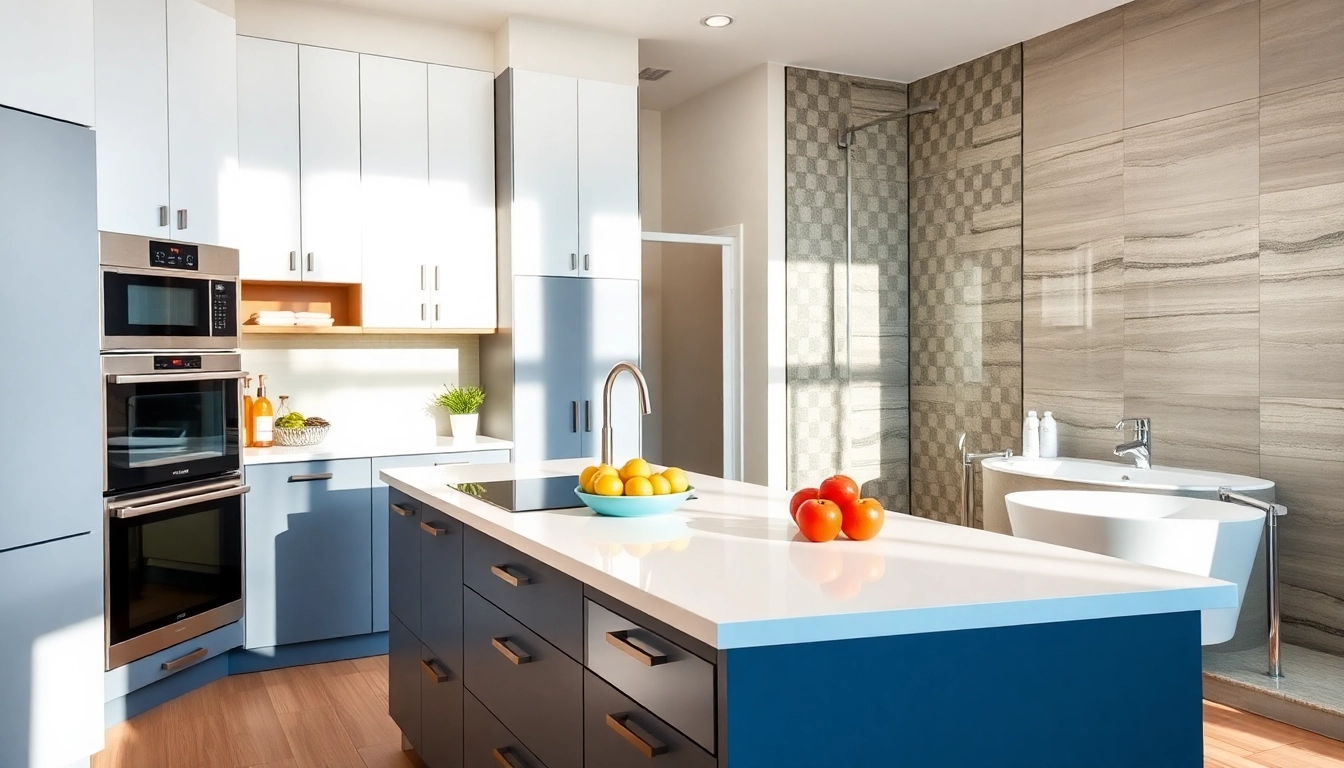
Understanding the Importance of Kitchen and Bathroom Renovation
Embarking on the journey of a kitchen and bathroom renovation is a significant decision that can shape your living space beautifully. These areas are not merely functional zones but often serve as the heartbeat of your home, where family gathers and memories are made. Therefore, investing in their transformation can enhance both aesthetics and functionality, ensuring they meet your family’s needs.
Benefits of Transforming Your Kitchen and Bathroom
The benefits of renovating your kitchen and bathroom extend far beyond mere visual appeal. The most immediate advantage is improved functionality. For instance, modern kitchens can offer better workflows with efficient layouts, allowing for smoother meal preparation. Similarly, updated bathrooms can provide a more relaxing atmosphere with contemporary fixtures and features.
Moreover, renovations often result in energy efficiency. Utilizing new materials and fixtures, such as energy-efficient appliances and water-saving faucets, can lead to significant savings on utility bills. Not to mention, enhanced lighting and heating options contribute to a more pleasant and functional environment.
Another critical benefit is personalization. A renovation allows you to express your style and preferences, transforming these common areas into spaces that reflect your personality. This customization can be especially satisfying and enjoyable for homeowners who love design.
How Renovation Influences Home Value
Investing in kitchen and bathroom renovations can markedly boost your home’s market value. Real estate experts consistently point out that buyers frequently consider these rooms when making purchasing decisions. A well-renovated kitchen or bathroom can be the tipping point that encourages a potential buyer to choose your property over another.
According to various studies, homeowners can expect a return on investment (ROI) of up to 70% on a kitchen renovation and around 60% on a bathroom renovation. This statistic underscores the financial benefits of investing not only in aesthetics but also in high-quality, durable materials that attract buyers.
Recognizing Signs That Require Renovation
How do you know when it’s time to embark on a renovation? There are various signs indicating that your kitchen or bathroom may be due for an update. Common indicators include:
- Outdated Fixtures: If your fixtures are worn or you notice frequent repairs are needed, it’s a sign they may need replacement.
- Inadequate Space: An expanding family often necessitates additional space or a redesign for better flow.
- Changing Needs: Lifestyle changes, such as increased cooking or entertaining, might require kitchen upgrades.
- Energy Inefficiency: Old appliances can lead to higher energy costs, suggesting it’s time to consider modern, energy-efficient options.
Planning Your Kitchen and Bathroom Renovation
Successful renovations start with meticulous planning. Without a clear strategy, you might find yourself overwhelmed by design choices or faced with unexpected costs.
Setting a Realistic Budget for Your Renovation
The first step in planning your renovation is setting a realistic budget. Start by determining how much you can afford to spend. Consider all potential costs, including materials, labor, and unexpected expenses that could arise during the project. Research average costs in your area to set a baseline. Tools like budgeting apps or spreadsheets can help track your expenses effectively.
Choosing the Right Design Style
Your aesthetic preferences should guide your design choices. Popular styles include modern, traditional, farmhouse, and minimalist. Explore inspiration from magazines, websites, and social media platforms for ideas that resonate with you. Once you have a preferred style, stick to a cohesive theme throughout your renovation to create visual harmony.
Timing Your Renovation Process
Another critical factor is timing. Consider how long you can reasonably manage without a fully functioning kitchen or bathroom. Most renovations can take anywhere from a few weeks to several months. Plan the timing around your schedule; for example, avoid peak holiday seasons or family milestones when your home will be bustling with activity.
Incorporating Modern Trends in Your Renovation
Incorporating modern trends can refresh the look of your kitchen and bathroom and make them more functional and energy-efficient.
Popular Materials for Kitchen and Bathroom Renovation
When selecting materials, consider those that are both beautiful and durable. Popular choices include:
- Quartz and Granite: Popular for countertops, they provide durability and elegance.
- Porcelain Tiles: Ideal for floors and walls, offering vast design options and water resistance.
- Eco-Friendly Materials: Bamboo flooring or reclaimed wood contribute to sustainable living.
Sustainable Choices in Renovation
Sustainability is more than a trend; it’s a lifestyle choice that not only benefits the planet but can also enhance your home’s efficiency. Choosing energy-efficient appliances, LED lighting, and sustainable materials reduces your carbon footprint and lowers utility costs in the long run.
Moreover, consider incorporating features like low-flow faucets and showerheads to conserve water without sacrificing performance. Sustainable design choices can be major selling points for those looking to purchase your home in the future.
Smart Technology Integration
Smart home technology is increasingly becoming a staple in modern renovations. Features like smart faucets with touchless functionality, programmable thermostats, and smart lighting can enhance convenience and energy efficiency. Installing a smart home system can streamline your daily tasks and allow for optimal management of your home’s resources.
Working with Professionals Versus DIY
Deciding whether to hire professionals or take a do-it-yourself approach is crucial in the renovation process. Each route offers distinct advantages and challenges.
Advantages of Hiring Renovation Experts
Hiring professionals can streamline your renovation experience. Experts bring a wealth of knowledge about design, construction, and potential pitfalls. They can help with everything from drafting plans to obtaining necessary permits, ensuring that your renovation meets local codes.
Additionally, professionals can save time and reduce the potential for costly mistakes. Their expertise often leads to higher-quality finishes and ultimately a better-functioning space.
Key DIY Tips for Successful Projects
If you decide to tackle aspects of your renovation yourself, preparation is critical. Here are some essential DIY tips:
- Research: Gain insights from online resources, forums, and instructional videos.
- Start Small: Begin with manageable projects to build your confidence.
- Gather Tools: Ensure you have the right tools and materials before starting any task.
Common Mistakes to Avoid
Regardless of your approach, certain mistakes can hinder your renovation success. Some common pitfalls include:
- Overextending Your Budget: Always add a contingency fund to your budget for unexpected costs.
- Ignoring Layout Efficiency: Prioritize functionality over aesthetics—make sure that the flow works.
- Skipping Permits: Ensure all work complies with local regulations and obtain necessary permits.
Evaluating Your Renovation Success
After your renovation is complete, it’s essential to evaluate its success. This helps you ensure that the space meets your needs and expectations.
Post-Renovation Inspection Checklist
Conduct a thorough inspection of your renovated space. Create a checklist to help you assess various aspects, including:
- Functionality: Does everything work as intended?
- Finishes: Are there any signs of poor craftsmanship?
- Energy Efficiency: Are there noticeable changes in energy bills?
Gathering Feedback and User Experience
Engage with your family or housemates to gather feedback about the new space. Their experiences can highlight areas for improvement that you may not have considered. This feedback is invaluable for future projects and overall satisfaction.
Maintaining Your Newly Renovated Kitchen and Bathroom
Finally, maintaining your newly renovated spaces is integral to their longevity. Simple practices such as regular cleaning, timely repairs, and protective products can preserve the beauty and functionality of your kitchen and bathroom. Consider implementing a routine clean-up schedule to keep these areas in optimal condition.
FAQs About Kitchen and Bathroom Renovation
What is the average cost of kitchen and bathroom renovations?
The average cost varies greatly based on scope, materials chosen, and location. Typical kitchen renovations range from $15,000 to $60,000 and bathroom renovations from $10,000 to $30,000.
How long does a kitchen and bathroom renovation usually take?
Depending on the complexity, minor renovations can take a few weeks, while major transformations might take several months. Planning is essential for managing timelines.
Can I stay in my home during the renovation?
It’s often possible to stay at home during a renovation, but it may be uncomfortable. Consider your work schedules and family needs before deciding.
What trends are currently popular for kitchen and bathroom designs?
Currently, open layouts, sustainable materials, smart technology, and transit colors are popular trends that focus on functionality and aesthetics.
How do I choose the right contractor for my renovation?
Look for professionals with good reviews, a solid portfolio, and clear communication skills. It’s essential to feel comfortable with your contractor to ensure a smooth renovation process.